Top 8 Video Software & SaaS Companies Killing It Right Now (2026)
A breakdown of the fastest-growing video software companies right now, what they’re doing differently, and what SaaS founders can learn if they want to build their own video product.
Sam
Creator of RVE
Most roundups of video tools stay shallow. They compare features, but they miss the bigger point: the winners in video are building real businesses at serious scale.
This list matters because these companies are not niche tools. They are proving that video software is now a massive product category spanning creator tools, AI workflows, collaboration platforms, and infrastructure.
food for thought
These eight video companies represent a huge market
Using the latest publicly available 2025-2026 reports and third-party estimates, these eight products and companies account for at least $5.1 billion in annual revenue combined. React Video Editor's revenue is not publicly disclosed, so the true total is likely higher 👀
What’s changed in video software?
A few years ago, video software was mostly desktop-first, heavy to install, and built for professionals. Now the market is moving toward browser-based editing, AI-assisted workflows, API- and SDK-driven products, and video features embedded inside larger apps.
The biggest change is simple: video is becoming a product layer, not just a standalone tool.
Top 8 video software & SaaS companies right now
1. CapCut
Official site: capcut.com
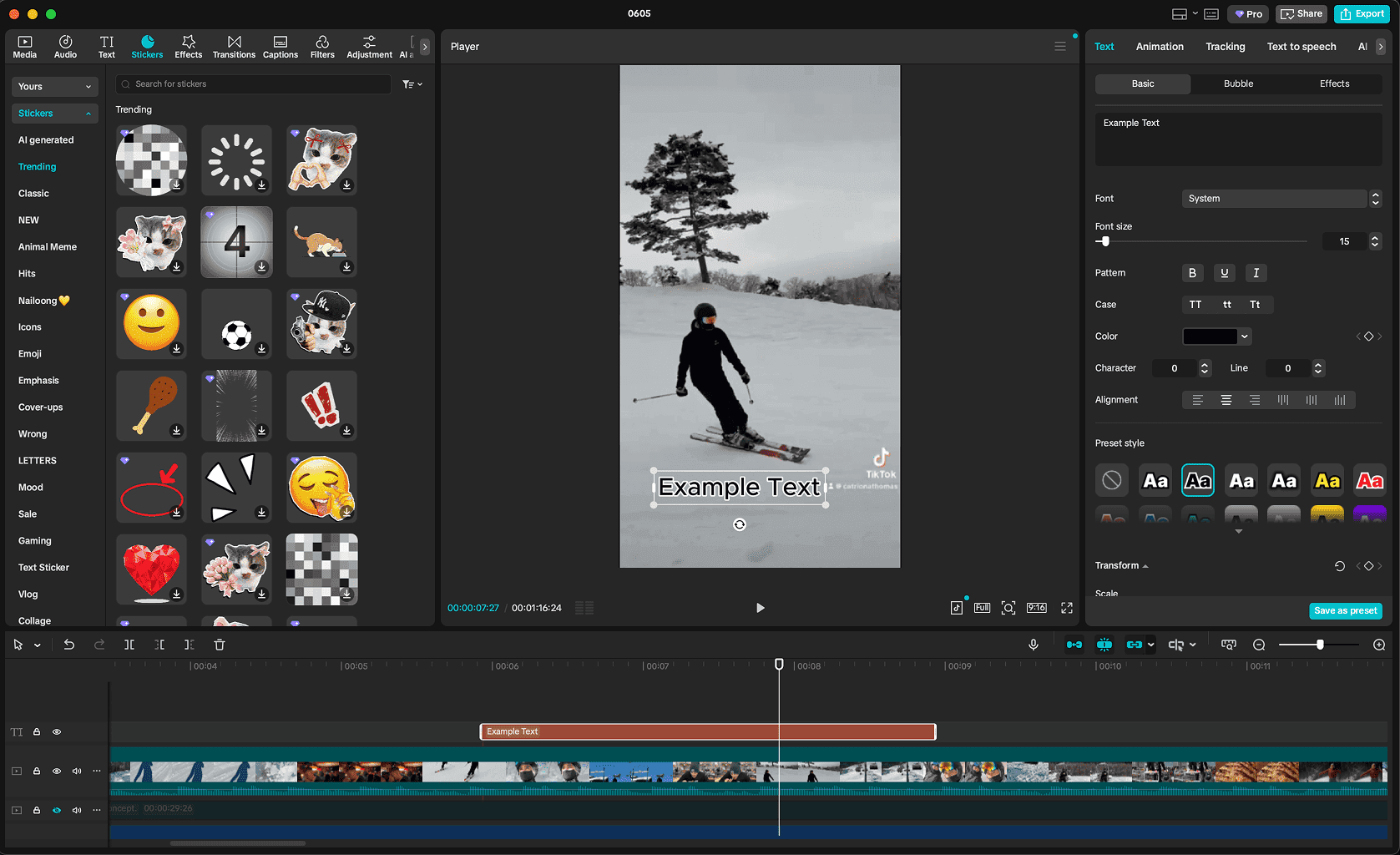
Best for: fast social content, short-form editing
Estimated annual revenue: about $815 million based on recent third-party app revenue estimates.
CapCut is winning because it matches how people create content today: quick edits, fast exports, and formats built for social distribution.
Key takeaways
- The product feels extremely low friction, which matters more than depth for short-form creators.
- CapCut is optimized for speed, templates, and social-native publishing.
- It is less compelling for product teams that need custom workflows or deeper control.
2. Canva Video Editor
Official site: canva.com/video-editor
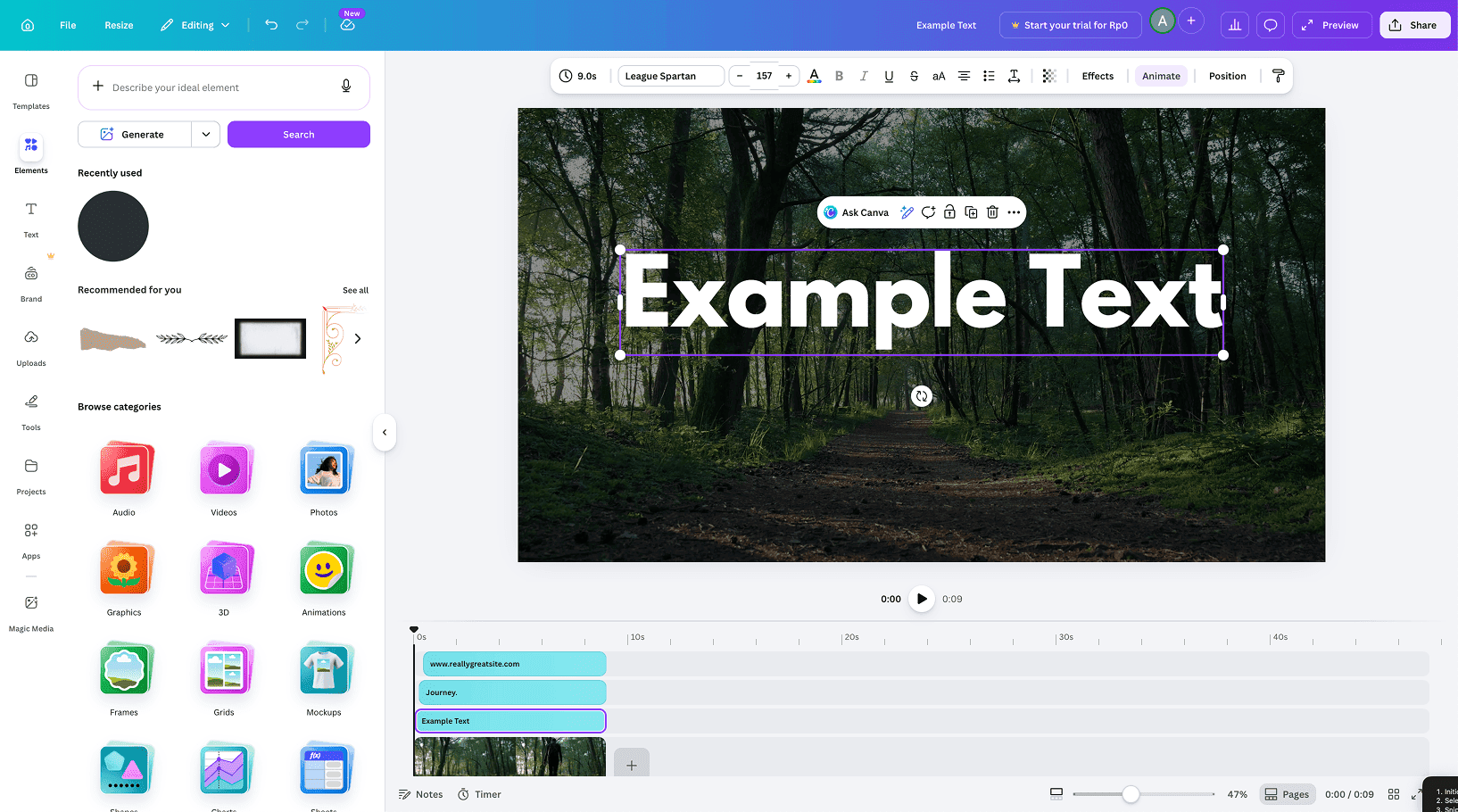
Best for: marketing teams, branded content
Estimated annual revenue: about $4 billion ARR based on Canva's latest reported scale.
Canva did not win by chasing advanced editing features. It won by making content creation accessible to non-editors and wrapping video inside a larger design workflow.
Key takeaways
- Canva wins with a template-first workflow that makes branded content fast to produce.
- Its UI is accessible enough for teams that do not think of themselves as editors.
- It starts to feel limiting when you need advanced editing or highly custom product flows.
3. VEED
Official site: veed.io
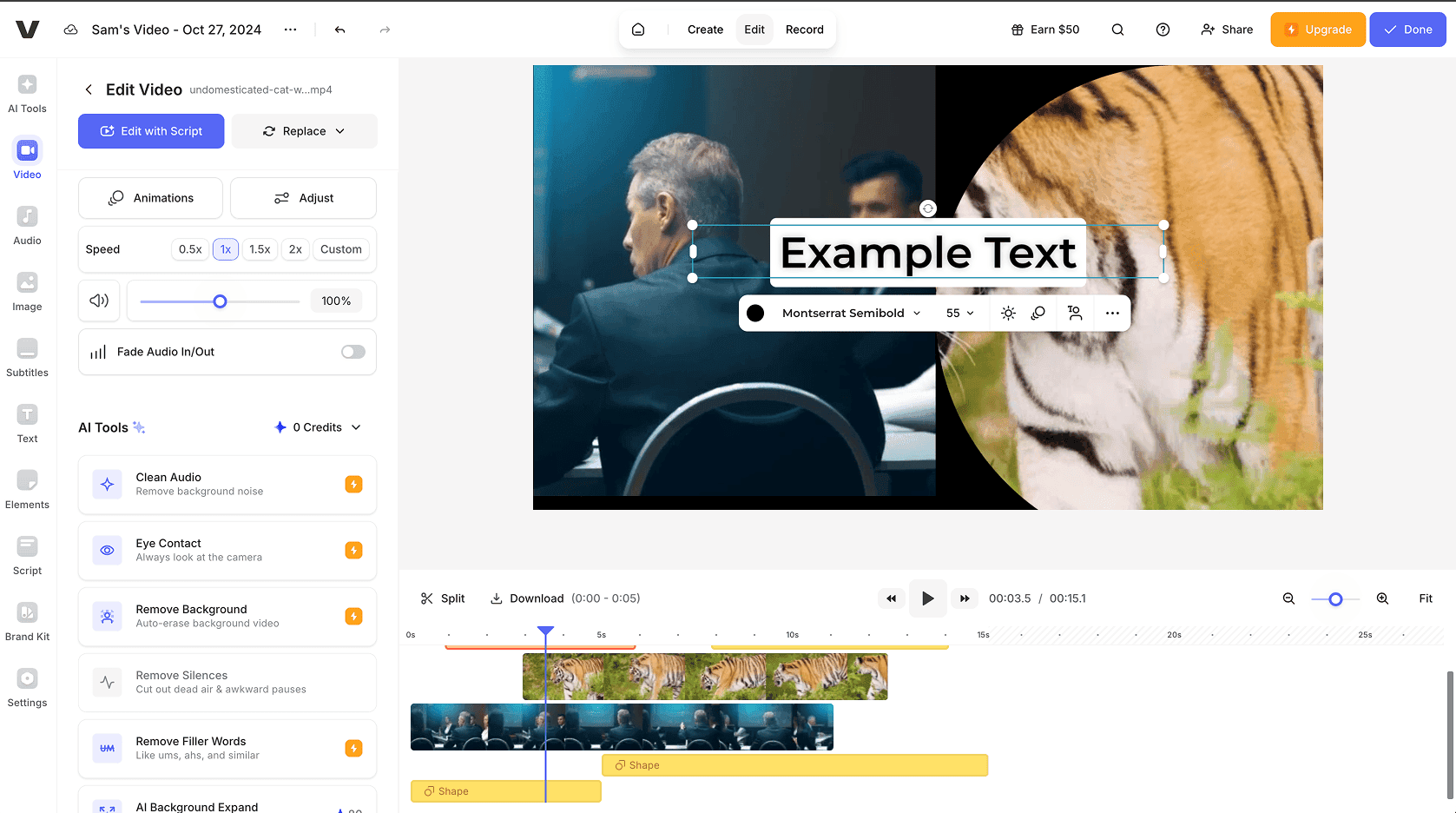
Best for: captions, talking-head content
Estimated annual revenue: about $35-45 million ARR based on recent private-market estimates.
VEED has carved out a strong position around caption-heavy, talking-head, and social-first content. It feels focused, which is a big reason it performs so well.
Key takeaways
- VEED benefits from clear positioning around captions and talking-head workflows.
- The product is simple enough to onboard quickly and broad enough for common social use cases.
- Power users and teams building video into their own product will eventually outgrow it.
4. Descript
Official site: descript.com
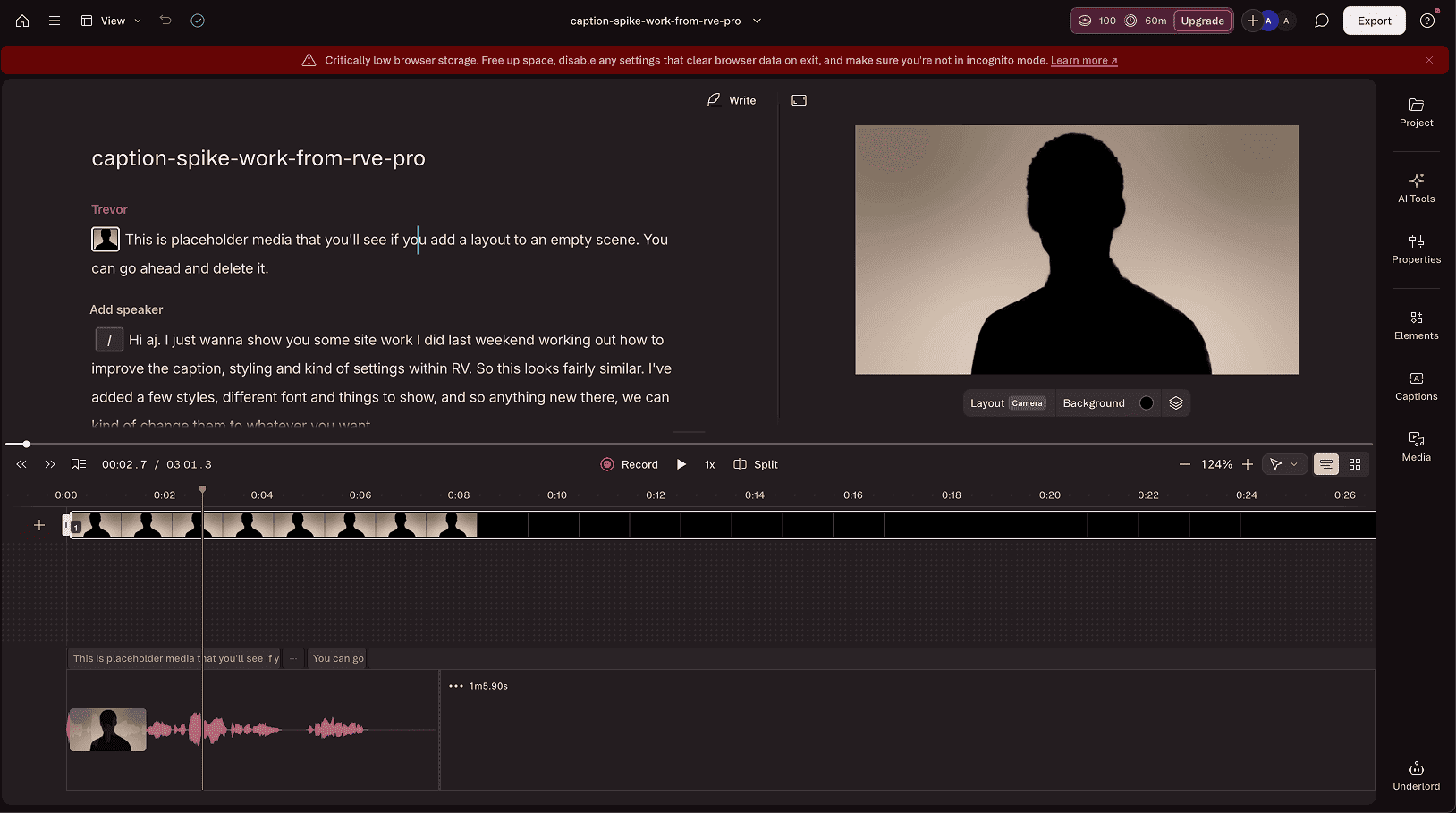
Best for: podcast editing, transcript-first workflows
Estimated annual revenue: about $100 million ARR based on recent 2026 estimates.
Descript changed the editing model by making transcript editing the core interaction. For podcasting, interviews, and spoken-word content, that is a much better fit than a traditional timeline-first workflow.
Key takeaways
- Descript stands out because its workflow is opinionated rather than generic.
- Editing from the transcript directly solves a real problem for spoken-word content.
- It is less suited to visual-heavy editing or teams that want to embed editing in their own app.
5. HeyGen
Official site: heygen.com
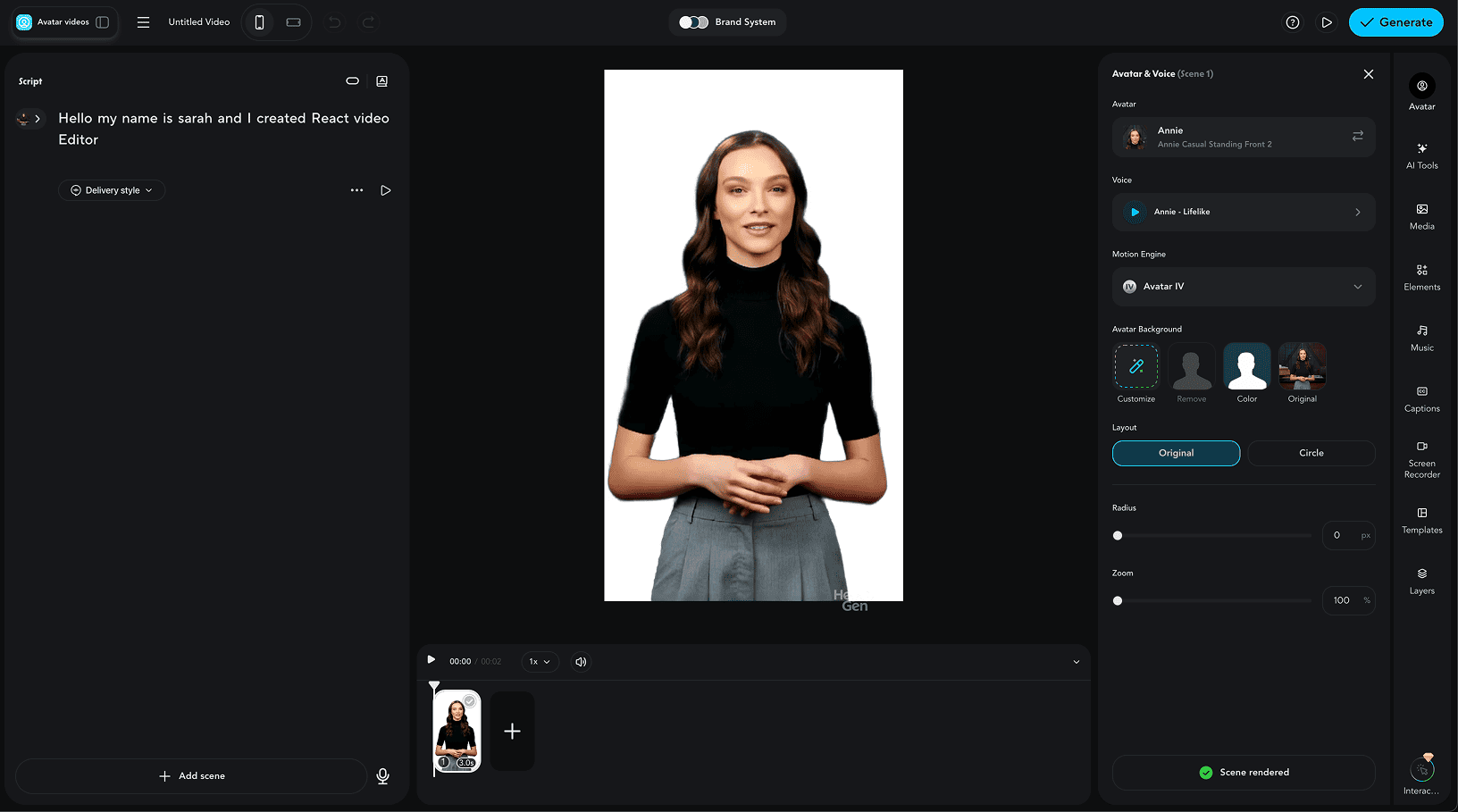
Best for: AI avatars, generated video content
Estimated annual revenue: about $95-100 million ARR based on recent 2026 estimates.
HeyGen proves you do not need a broad editing suite to build a strong company. A focused product with a clear business use case can be enough.
Key takeaways
- HeyGen wins by staying focused on one strong use case instead of trying to be everything.
- The quality of the output is good enough to make it viable for real business workflows.
- Its scope is still narrow, so it is not a full replacement for a broader editing stack.
6. InVideo
Official site: invideo.io
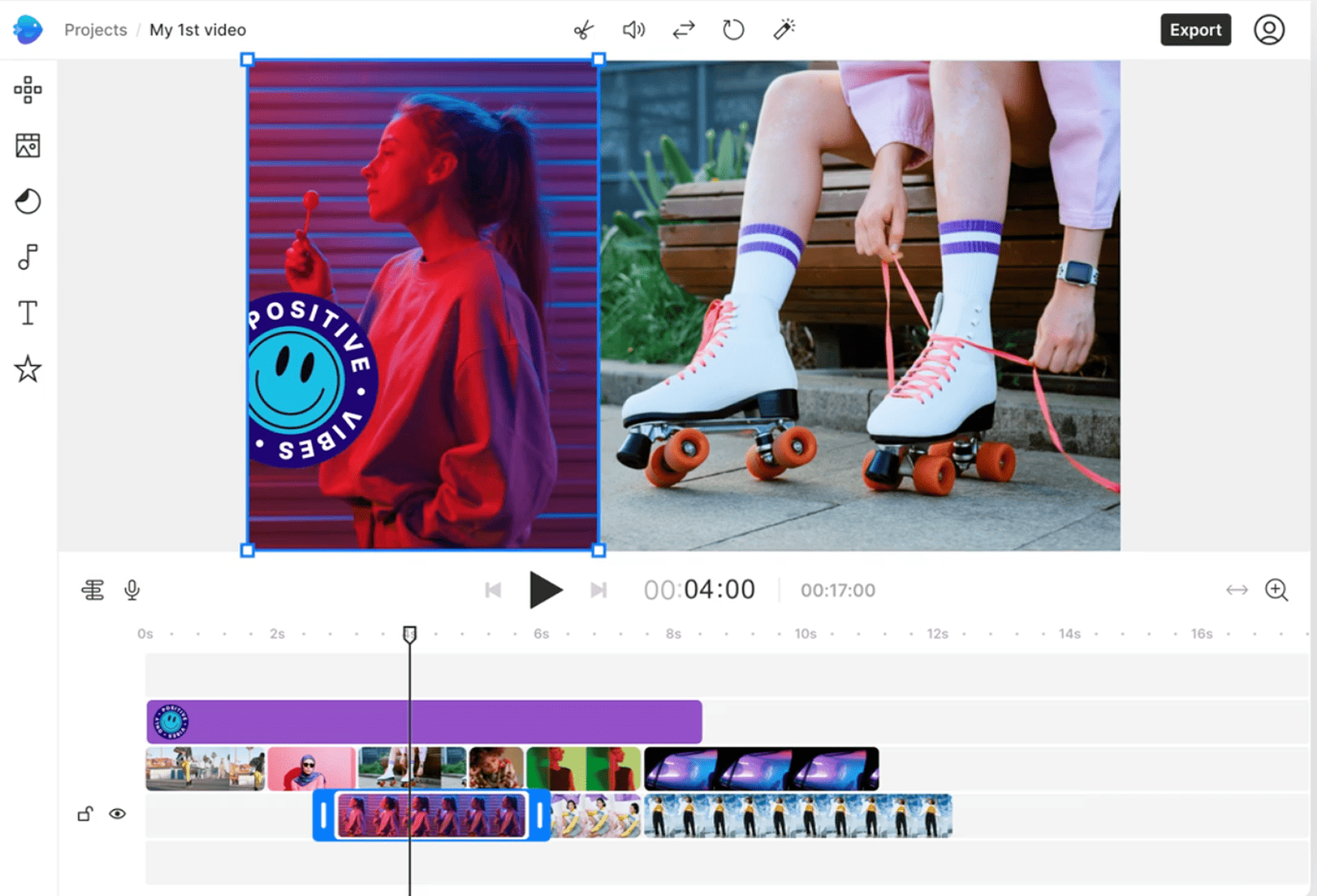
Best for: template-driven marketing content
Estimated annual revenue: about $70 million ARR based on the latest investor-style reporting.
InVideo leans hard into speed over control. That tradeoff works for teams that care more about publishing quickly than fine-grained editing.
Key takeaways
- InVideo is strong when fast output matters more than creative flexibility.
- Its template ecosystem makes it approachable for non-editors and marketing teams.
- The experience can feel more like assembling content than actually editing it.
7. Kapwing
Official site: kapwing.com
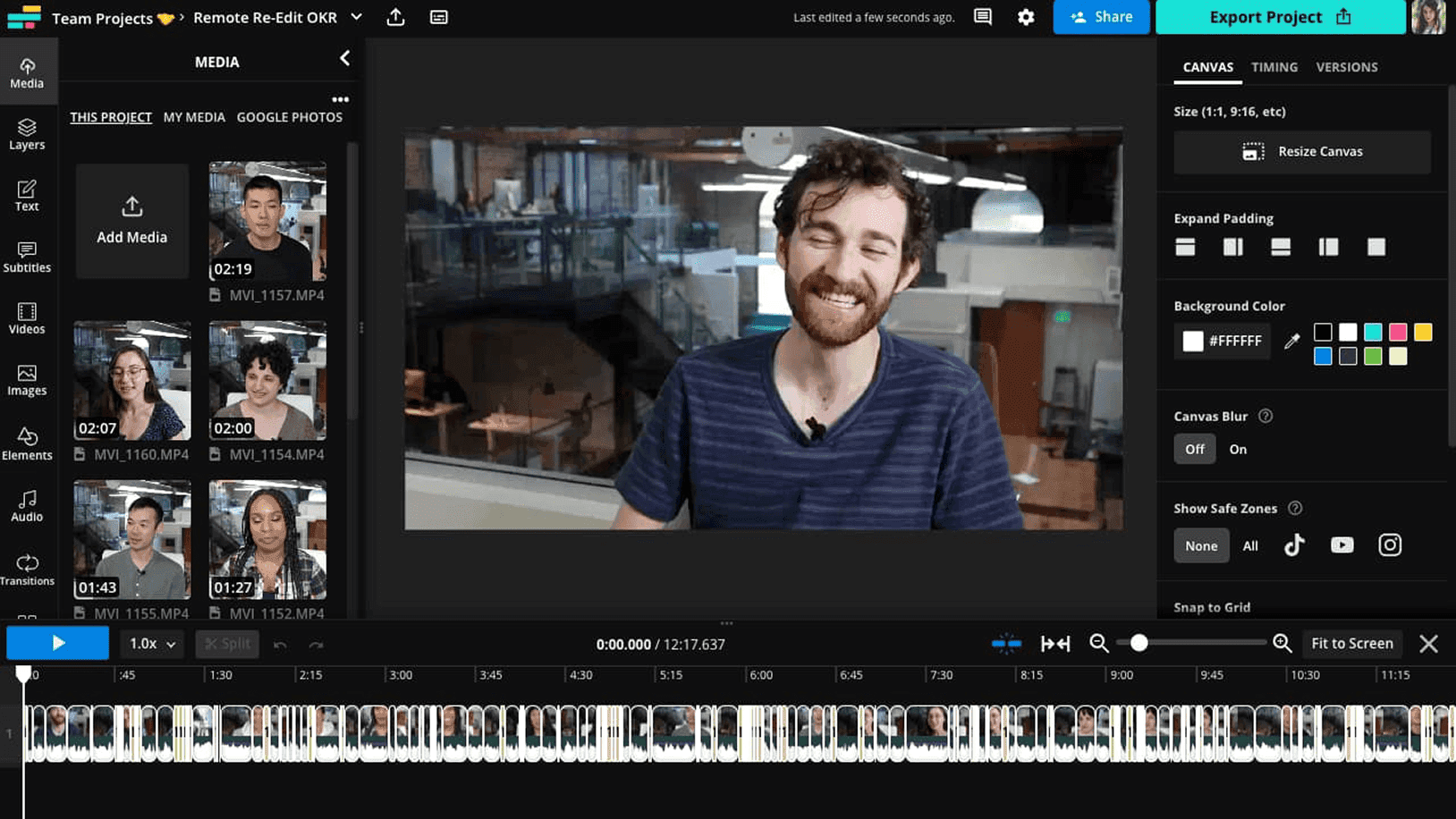
Best for: collaboration, browser-native editing
Estimated annual revenue: about $10 million+ based on the latest public company profile estimates.
Kapwing has stayed consistent with its browser-first approach and collaborative positioning. That makes it especially useful for teams creating internet-native content together.
Key takeaways
- Kapwing still stands out for collaborative, browser-native editing.
- It is flexible enough for a lot of internet content without becoming overly complex.
- Advanced editors may still find it limiting, and the free tier has obvious constraints.
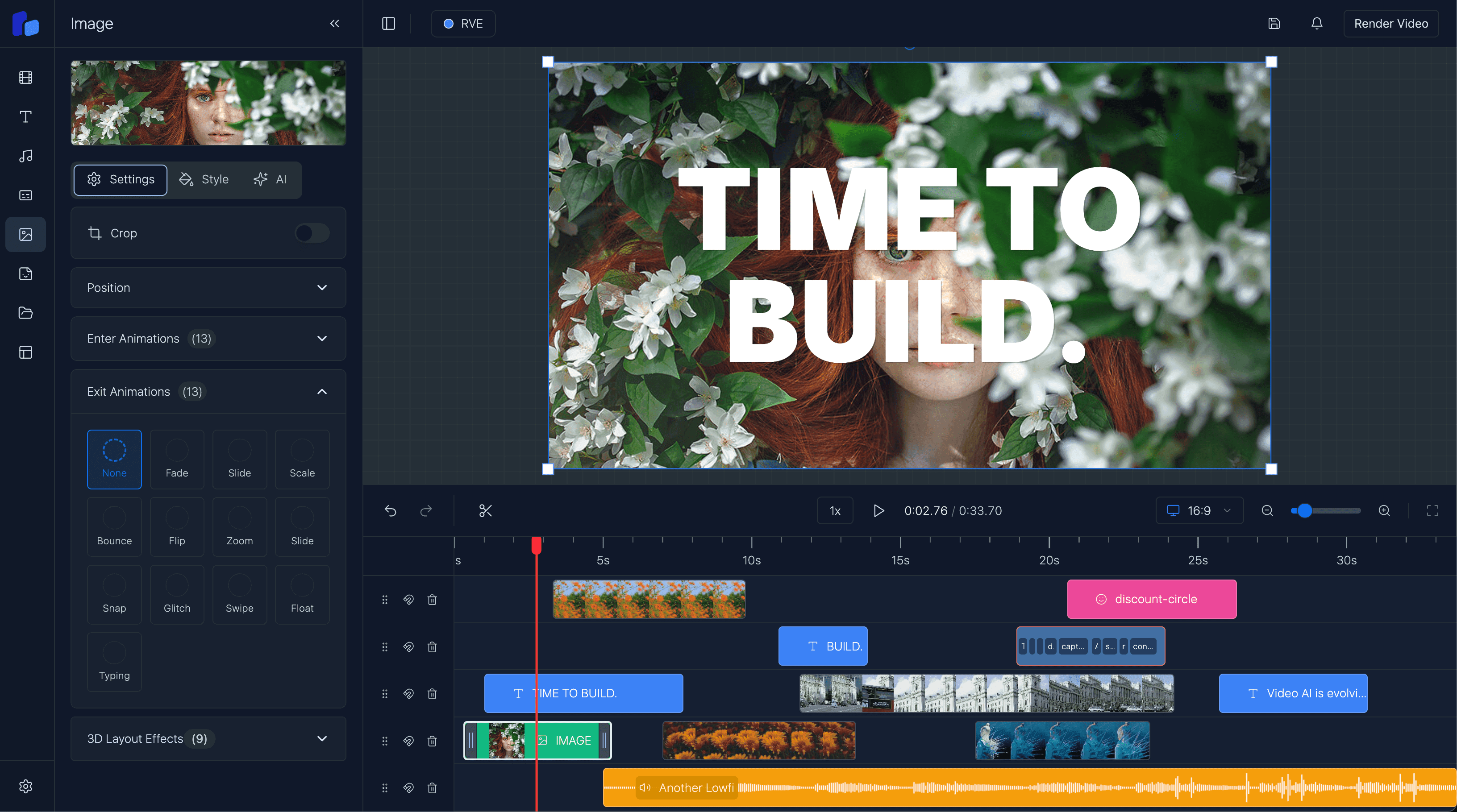
8. React Video Editor (RVE)
Official site: reactvideoeditor.com
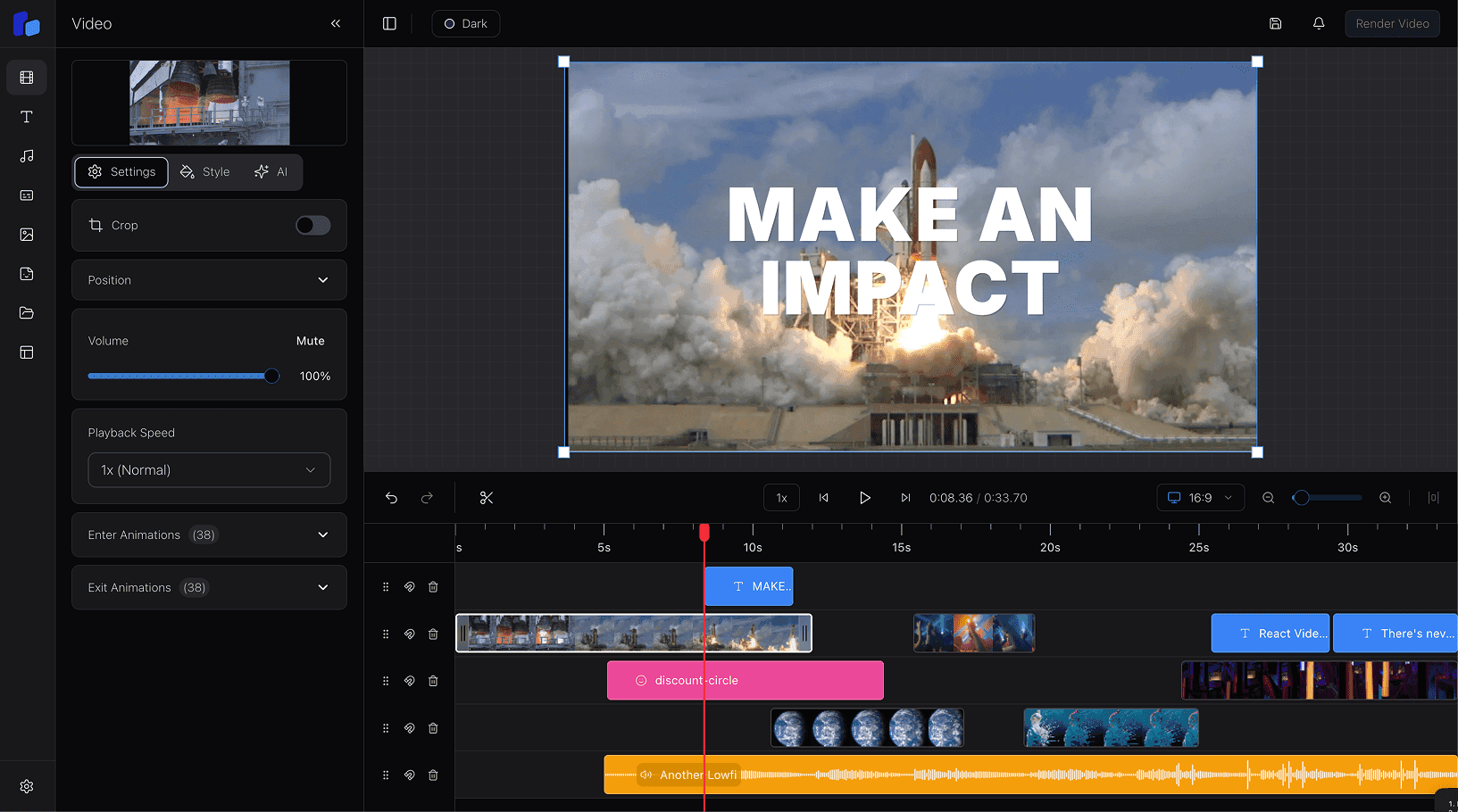
Best for: building your own video product or editor inside your app
Estimated annual revenue: not publicly disclosed.
This is where the category shifts. Most of the tools above are standalone editors. RVE is different because it is a foundation layer for teams that want to build their own video product.
Instead of adopting someone else’s editor, you can build timeline editing into your own app, design custom workflows, layer in AI pipelines, and control the full user experience.
That is especially relevant for SaaS products, AI video tools, internal platforms, and white-label solutions.
Key takeaways
- RVE is aimed at teams building a product, not just choosing an editor.
- It gives you control over UI, workflow, and how video fits into the wider application.
- That makes it a better fit for SaaS, AI tools, and white-label platforms than off-the-shelf editors.
What these companies all have in common
If you zoom out, these companies fall into a few buckets:
- Creator tools: CapCut, VEED, Canva
- Workflow tools: Descript, Kapwing
- AI-first tools: HeyGen
- Template-driven tools: InVideo
- Product infrastructure: React Video Editor
Why this matters (especially for SaaS builders)
Video is no longer just a feature. In a lot of products, it is becoming part of the product itself.
You can see that shift in:
- SaaS apps adding video editing
- AI tools generating and editing content
- internal tools clipping and repurposing video
- marketing tools embedding video workflows
At some point, most teams hit the same limit: an external editor stops fitting the product. Then the choices become stitching tools together, building around APIs, or owning the editing layer yourself.
The opportunity
There is a real gap between consumer video tools and fully custom video products. Most teams do not want to build everything from scratch, but they also do not want to depend entirely on third-party editors.
That middle layer is where a lot of the next generation of video products will be built.
Final thoughts
There is no single "best" video software company. The winners are taking different approaches to the same market: speed, workflow, AI, templates, or infrastructure.
If you just need a tool, pick the one that matches your use case and move on. But if you are thinking about building in this space, it is more useful to study how these companies win than to compare feature lists.
The next wave of video products will not just be editors. They will be embedded, AI-assisted, browser-native, and part of something larger.
FAQ
What is the fastest growing video SaaS right now?
Tools like CapCut and HeyGen are growing quickly because they combine clear positioning with strong distribution and product-market fit.
Are browser-based video editors good enough now?
Yes. Most modern browser-based editors handle timeline editing, captions, and exports well, although performance still depends on the workflow and file size.
Should I build or buy a video editor?
If video is a core part of your product, building or using a foundation like React Video Editor usually makes more sense over the long term.
What is React Video Editor?
React Video Editor is a browser-native video editor foundation designed for developers and teams building video features directly into their products.